


Furnishing Ideas and Design for Comfortable Family Living

Furnishing a home for a family is a different job than styling a showroom. A sofa needs to survive kids, pets, movie nights, and the occasional spilled juice box, not just look good in a photo. Good Furnishing Ideas and Design start from that reality rather than working around it, choosing pieces that hold up to daily use while still feeling considered and comfortable to live in.
This guide covers what actually makes furniture durable, which multifunctional pieces earn their space in a family home, and how to sequence furnishing decisions so the whole house feels connected rather than pieced together room by room.
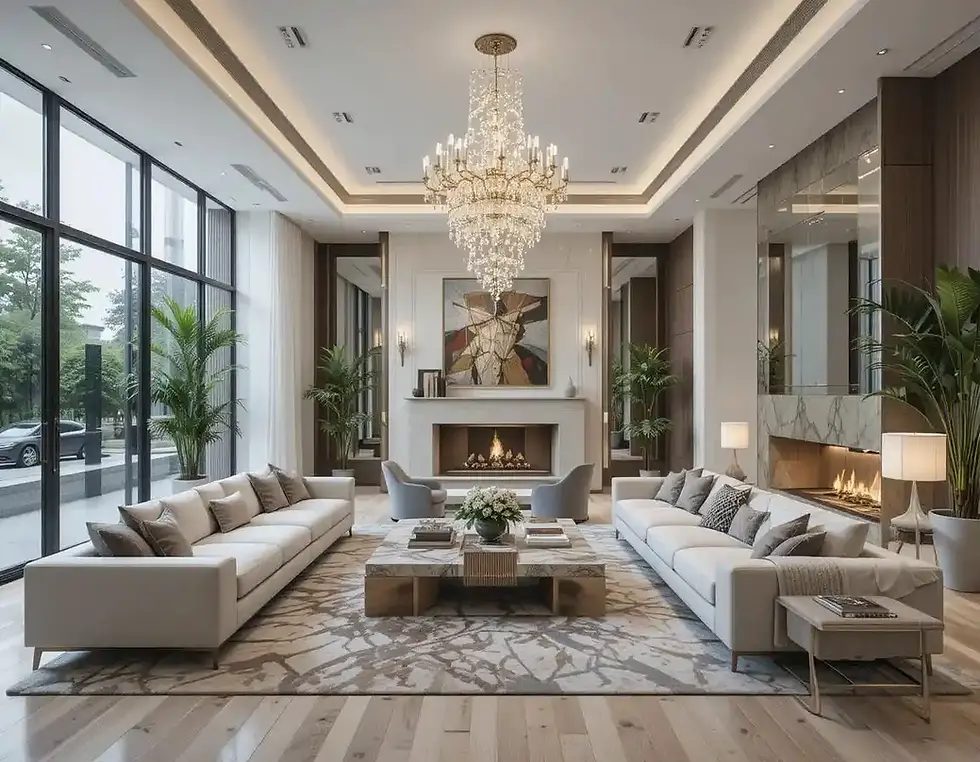
Furnishing Ideas and Design That Actually Work for Family Life
The living room furniture market is projected at $223.4 billion in 2026, and a growing share of that spending is going toward pieces built to last rather than trend-driven purchases replaced every few years. For homeowners and new home buyers furnishing a family space, that shift matters. A stylish piece that falls apart within two years costs more over time than a well-built one that costs more upfront.
Good Furnishing Ideas and Design also account for how a family actually uses a room, not just how it photographs. That means thinking through traffic flow, seating for the whole household plus guests, storage that keeps clutter out of sight, and materials that can handle daily wear without looking tired within a year. A proper Space Planning process, done before furniture gets chosen, prevents the common mistake of buying beautiful pieces that don't actually fit how the room gets used.
Choosing Fabrics That Survive Real Family Living
Fabric durability is measured using a "double rub" test, where a machine rubs a sample back and forth to simulate years of normal use. The result is a rating that tells you roughly how long a fabric will hold up before visible wear appears.
Durability Rating | Double Rub Count | Best Suited For |
Delicate Duty | Under 3,000 | Decorative pieces only, not upholstery |
Light Duty | 3,000 to 9,000 | Occasional-use or low-traffic furniture |
Medium Duty | 9,000 to 15,000 | General living rooms, moderate use |
Heavy Duty | 15,000+ | Family homes with kids or pets |
Performance/Commercial Grade | 50,000+ | High-traffic households, hospitality-level durability |
Insight: The biggest distinction in fabric durability isn't the fabric name, it's where the performance actually lives. A surface treatment sprayed onto fabric repels the first few spills, then fades with washing and friction. A fabric engineered for durability at the fiber level keeps its resistance for the life of the piece, which is why two sofas with similar fabric names can perform very differently after a year of family use.
Create a comfortable family home with thoughtful furnishing ideas and professional Kitchen Interior Design Service. From functional kitchen layouts and stylish cabinetry to beautifully planned bathrooms, every space can reflect your lifestyle. Expert Kitchen Interior Design Service and bathroom design solutions help improve comfort, storage, functionality, and overall home appeal.

Chart: Fabric Durability Scale for Family Furnishing Decisions
Delicate Duty (under 3,000 rubs)     ██                  Decorative only
Light Duty (3,000-9,000)             ██████              Occasional use
Medium Duty (9,000-15,000)           ██████████          General living rooms
Heavy Duty (15,000+)                 ████████████████    Kids and pets
Performance Grade (50,000+)          ████████████████████ High-traffic homes
For most family living rooms, aiming for Heavy Duty or above strikes the right balance between cost and long-term durability, without paying for commercial-grade performance a residential room doesn't need.
Multifunctional Furniture Ideas and Design for Small and Growing Homes
With more households working, entertaining, and relaxing in the same shared spaces, multifunctional furniture has become one of the most practical categories in Custom Design planning.
Piece | Family Benefit |
Storage ottomans | Extra seating that doubles as hidden storage for toys, blankets, or games |
Sleeper sofas | Guest accommodation without dedicating a full room to a spare bed |
Extendable dining tables | Everyday seating for the household, expandable for gatherings |
Modular sectionals | Reconfigurable seating that adapts as the family or the room changes |
Adjustable-height coffee tables | Doubles as a work surface or dining spot without a full furniture swap |
Apartment owners and property investors furnishing smaller footprints often get the most value from this category, since multifunctional pieces let a single room handle several jobs without feeling overcrowded.

Layout and Space Planning for Comfortable Family Living
Furniture choice matters less than most homeowners expect if the layout underneath it isn't working. Before selecting pieces, a few layout questions are worth answering:
Does the seating arrangement actually support how the family gathers, whether that's movie nights, homework at a shared table, or entertaining guests?
Is there a clear walking path through the room that doesn't require squeezing past furniture during everyday use?
Does the room need distinct zones, such as a play area separate from adult seating, or a reading nook away from the television?
Is storage built into the plan, or will it need to be added later as an afterthought?
A properly sequenced Space Planning phase, done before furniture shopping starts, avoids the common cycle of buying pieces that look good individually but never quite work together in the actual room.
Color, Texture, and Style Choices That Age Well
Warm, natural palettes including sand, olive, and warm gray tones are dominating furnishing choices in 2026, largely because they age better than trend colors that feel dated within a few years. Curved furniture, soft edges, and mixed natural materials like wood, linen, and stone are also replacing sharper, more clinical looks, partly because rounded shapes are simply safer and more forgiving in homes with young children.
Layering textures, rather than matching everything exactly, tends to give a room more depth without looking chaotic. A performance-fabric sofa in a neutral tone paired with textured throw pillows, a wood coffee table, and woven storage baskets gives a family room warmth without sacrificing the durability the household actually needs day to day.

Furnishing Room by Room: What to Prioritize First
Not every room needs the same furnishing budget or urgency. For most families, a sensible order looks like:
Living room seating, since it sees the most daily use and benefits most from durable, well-considered fabric choices.
Dining area, particularly an extendable table if the household regularly hosts family or friends.
Bedrooms, focusing on comfort first, with Home Styling details like layered lighting and textiles added once the core pieces are in place.
Secondary spaces, such as home offices or playrooms, which can often use more budget-friendly multifunctional pieces.
Sequencing the big-ticket, high-use pieces first and filling in secondary spaces afterward keeps a whole-home furnishing project from running over budget on rooms that matter less to daily family life.
FAQs
What fabric is best for a sofa with kids and pets?
Performance fabric rated 15,000 double rubs or higher is generally recommended for family homes with kids or pets, since it resists wear from daily use better than lower-rated decorative fabrics. Fiber-level stain resistance, rather than a sprayed-on treatment, holds up better over years of regular cleaning.
What furniture is best for small living spaces?
Multifunctional pieces such as storage ottomans, sleeper sofas, and modular sectionals tend to work best in smaller homes, since they let one piece handle more than one function. Extendable tables are also useful for households that need everyday seating but occasionally host larger groups.
How do I choose a color palette that won't feel dated?
Warm, neutral tones like sand, olive, and warm gray tend to age better than trend-driven bright colors, since they pair well with natural materials and don't feel tied to a specific year. Layering textures rather than relying on bold color alone also helps a room stay current longer.
Should I furnish my whole house at once or room by room?
Prioritizing high-use spaces like the living room and dining area first, then furnishing secondary rooms afterward, generally works better than spreading a budget thin across every room simultaneously. This sequencing also allows style and material choices in the first rooms to inform decisions made later.
Is it worth hiring a designer for furnishing rather than doing it myself?
For a full-home project, a designer can prevent costly mismatches between rooms and help source durable materials that aren't always obvious from a showroom floor. For a single room or a smaller budget, many homeowners manage furnishing decisions well on their own with a clear layout plan in place first.
Furnish for How Your Family Actually Lives
The best Furnishing Ideas and Design choices come from planning around real daily use, not a single photo-ready moment. The Interiorful helps homeowners across California balance durability, comfort, and Interior Solutions that make a house feel like it was furnished on purpose.
The Interiorful Phone: (949) 899-0099 Website: theinteriorful.com


