


Commercial Interior Design Trends 2026: 12 Smart Ideas

Updated: Jul 13
Businesses no longer see office design as just furniture and paint. In 2026, commercial interiors have become a business strategy that improves employee wellbeing, attracts clients, supports sustainability, and increases workplace productivity.
Whether you're renovating an office, opening a retail store, fitting out a hospitality venue, or upgrading a commercial property in CA, understanding the latest Commercial Interior Design Trends 2026 can help you make better long-term decisions.
Key Takeaways
Commercial spaces are becoming more flexible and multi-functional.
Sustainability continues to influence material and design choices.
Technology is seamlessly integrated into everyday workspaces.
Wellness-focused interiors improve employee satisfaction.
Biophilic design remains one of Orange County's fastest-growing commercial design styles.
Quality interior design increases property value and strengthens brand identity.
Professional space planning helps maximise every square metre.

Why Commercial Interior Design Matters More Than Ever
Commercial spaces have changed dramatically over the past few years. Hybrid work, rising operating costs, employee expectations, and environmental standards have forced businesses to rethink how their spaces function.
Today's office isn't simply a place to work.
It needs to:
Encourage collaboration
Support focused work
Welcome clients
Reflect company values
Improve energy efficiency
Adapt as businesses grow
Research from workplace studies by organizations such as the World Green Building Council and Harvard T.H. Chan School of Public Health continues to show that better indoor environments—including natural lighting, ventilation, acoustics, and ergonomic design—can positively influence comfort, productivity, and employee wellbeing.
1. Flexible Multi-Purpose Workspaces
The biggest shift in Commercial Interior Design Trends 2026 is flexibility.
Instead of assigning permanent desks to every employee, Orange County businesses are creating adaptable spaces that serve multiple purposes throughout the day.
Examples include:
Modular meeting rooms
Movable acoustic partitions
Convertible collaboration zones
Flexible conference spaces
Shared workstations
2. Biophilic Design Continues to Grow
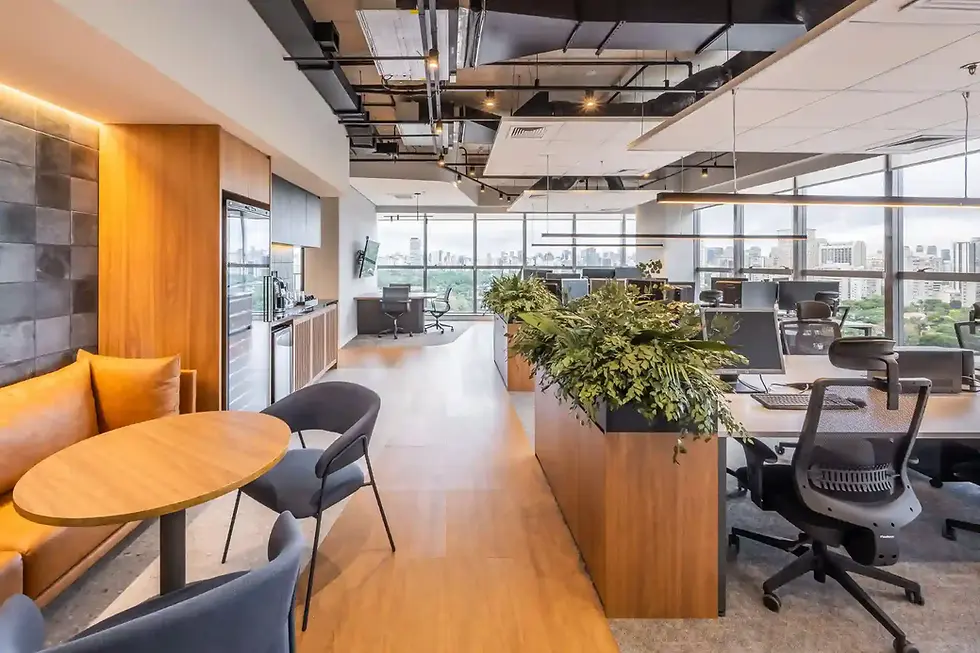
Natural elements remain one of the strongest influences in Modern Commercial Interior Design. Biophilic design focuses on strengthening the connection between people and nature.
Popular features include:
Indoor plants
Living green walls
Natural timber finishes
Stone textures
Large windows
Skylights
Natural ventilation
Orange County workplaces particularly benefit because abundant natural light complements sustainable building practices.
Benefits
Reduced workplace stress
Better indoor air quality
Improved employee wellbeing
Stronger visual appeal
Healthier work environments
3. Sustainable Materials Become the Standard
Sustainability is no longer an optional upgrade.
Orange County businesses increasingly seek commercial interiors that reduce environmental impact while lowering long-term operating costs.
Popular sustainable materials include:
Material | Benefits |
Recycled timber | Durable and environmentally friendly |
Bamboo | Fast renewable resource |
Recycled steel | Long-lasting with reduced waste |
Low-VOC paints | Better indoor air quality |
Recycled carpet tiles | Easy maintenance and replacement |
Many commercial projects now also pursue environmentally responsible building certifications and energy-efficient fit-outs where appropriate.
4. Smart Technology Blends Into Interior Design
Technology has become almost invisible.
Instead of standing out, it integrates naturally into the workplace.
Examples include:
Wireless charging furniture
Smart lighting systems
Occupancy sensors
Digital booking systems
Automated blinds
Touchless entry
AI-assisted meeting rooms
Smart offices help reduce energy consumption while making daily operations more efficient.
5. Wellness-Centred Workplace Design
Employee wellbeing has become a major investment priority.
Businesses now understand that workplace design affects both physical and mental health.
Modern wellness features include:
Quiet rooms
Meditation spaces
Ergonomic furniture
Adjustable sit-stand desks
Acoustic panels
Natural daylight
Better ventilation
Rather than treating wellness as a workplace perk, companies increasingly view it as part of attracting and retaining talent.

6. Hospitality-Inspired Offices
Many Orange County workplaces no longer resemble traditional offices.
Instead, they borrow ideas from boutique hotels, luxury lounges, and premium hospitality venues.
Common features include:
Comfortable lounges
Café-style seating
Warm lighting
Premium finishes
Decorative artwork
Soft furnishings
Feature ceilings
The result is a more welcoming environment for both employees and visitors.
7. Bold Brand Identity Through Interior Design
Commercial interiors now tell a company's story.
Instead of generic office layouts, businesses use design to reinforce their identity.
Brand-focused elements include:
Custom reception areas
Feature walls
Company colours
Branded lighting
Local artwork
Bespoke furniture
Statement signage
A well-designed office often leaves a stronger first impression than traditional marketing materials.
8. Acoustic Comfort Takes Centre Stage
Open-plan offices remain popular, but noise has become one of their biggest drawbacks.
That's why acoustic design is receiving much greater attention in 2026.
Solutions include:
Acoustic ceiling panels
Fabric wall coverings
Sound-absorbing partitions
Private meeting pods
Carpet tiles
Upholstered seating
Reducing noise distractions improves concentration and creates a more comfortable workplace.
9. Residential Comfort Meets Commercial Design
Another growing Modern Commercial Interior Design trend is making offices feel less corporate.
Designers are introducing residential-inspired elements such as:
Sofas
Warm timber tones
Decorative rugs
Soft lighting
Curved furniture
Home-inspired kitchens
Comfortable breakout spaces
This creates a relaxed environment without sacrificing professionalism.
10. Smaller Spaces, Smarter Planning
Commercial rents continue to rise across many Orange County cities.
Businesses are focusing on maximising every square metre rather than leasing larger premises.
Effective space planning includes:
Built-in storage
Multi-purpose furniture
Vertical shelving
Compact meeting pods
Flexible layouts
Professional space planning often delivers better results than simply expanding office size.
11. Local Orange County Materials and Craftsmanship
Supporting local suppliers has become increasingly important.
Businesses appreciate locally made products because they often provide:
Shorter delivery times
Better quality control
Reduced transport emissions
Easier maintenance
Stronger support for Orange County manufacturers
Natural Orange County hardwoods, locally produced furniture, and custom joinery are becoming popular choices.
12. Future-Proof Commercial Interiors
Businesses want interiors that remain functional for years rather than becoming outdated after one renovation cycle.
Future-ready design considers:
Business growth
Technology upgrades
Workforce changes
Sustainability goals
Flexible furniture systems
Modular construction
Designing with adaptability in mind helps reduce future renovation costs.
Commercial Interior Design Trends at a Glance
Trend | Business Benefit |
Flexible layouts | Better space efficiency |
Biophilic design | Improved wellbeing |
Sustainable materials | Lower environmental impact |
Smart technology | Increased efficiency |
Wellness spaces | Higher employee satisfaction |
Hospitality-inspired interiors | Better client experience |
Acoustic solutions | Improved focus |
Residential styling | Greater comfort |
Space planning | Lower occupancy costs |
Future-proof design | Long-term value |
Common Mistakes Businesses Should Avoid
Avoid these common mistakes:
Prioritising appearance over functionality
Ignoring future expansion needs
Choosing poor-quality furniture
Forgetting acoustic design
Underestimating storage requirements
Using excessive branding
Overlooking employee comfort
Failing to maximise natural lighting
Why Professional Interior Design Delivers Better Results
Experienced interior designers coordinate:
Space planning
Lighting design
Material selection
Furniture specification
Compliance requirements
Accessibility considerations
Project coordination
Budget management
Conclusion
The leading Commercial Interior Design Trends 2026 show a clear shift toward flexibility, sustainability, employee wellbeing, and smarter use of space. Orange County businesses are investing in interiors that do more than look impressive—they support productivity, reflect brand identity, and adapt to future needs.
Whether you're upgrading an office, redesigning a retail space, or planning a complete commercial fit-out, thoughtful design decisions today can deliver lasting value for years to come.
By combining Modern Commercial Interior Design principles with strategic space planning and quality materials, businesses can create environments that attract clients, support employees, and strengthen long-term success.
Ready to Transform Your Commercial Space?
If you're planning a commercial renovation or a brand-new fit-out, partnering with an experienced interior design team can make all the difference. From Full Home Remodeling & Space Planning expertise to Custom Interior Design & Furnishing solutions adapted for commercial environments, professional guidance helps you maximise your investment, avoid costly design mistakes, and create a workspace that reflects your brand.
Book a consultation today to discuss your project and start building a commercial space that's ready for 2026 and beyond.
FAQs
1. What is the biggest commercial interior design trend in 2026?
Flexible, multi-functional workspaces remain the leading trend, allowing businesses to adapt layouts for hybrid work, collaboration, meetings, and future growth.
2. Why is biophilic design important for commercial spaces?
Biophilic design incorporates natural light, plants, and organic materials to create healthier environments. Studies suggest these features can improve employee wellbeing, comfort, and workplace satisfaction.
3. How can sustainable interior design reduce business costs?
Using durable materials, LED lighting, energy-efficient systems, and smart building technologies can lower maintenance and energy expenses over time while supporting environmental goals.
4. Is smart technology essential in modern commercial interior design?
While not mandatory, integrated technologies such as automated lighting, occupancy sensors, and wireless meeting systems can improve operational efficiency and enhance the workplace experience.
5. Why should businesses hire a professional commercial interior designer?
Professional designers help optimise layouts, manage budgets, coordinate trades, ensure compliance with relevant regulations, and create spaces that balance functionality, aesthetics, and long-term business objectives.


