


5 Furniture Styling Tips to Instantly Transform Any Room

A room doesn't need a complete renovation to feel fresh and inviting. In many cases, the biggest difference comes from how furniture is arranged and styled. The right furniture choices can improve comfort, create better flow, and make a room feel more polished. Across the USA, homeowners are paying closer attention to furniture styling because it offers a practical way to improve interiors without spending a fortune. Whether you're updating a living room, bedroom, dining area, or home office, a few thoughtful adjustments can completely change the atmosphere.
This guide covers five furniture styling tips that can instantly improve almost any room while aligning with today's furnishing trends and custom interior design & furnishing preferences.
Why Furniture Styling Has a Big Impact?
Furniture is often the largest visual element inside a room. Its placement, scale, and relationship with surrounding décor influence how the space feels.
Good furniture styling can:
Make small rooms feel larger
Improve functionality
Create visual balance
Increase comfort
Highlight architectural features
Support everyday living
The goal isn't simply to fill a room. The goal is to create a space that feels intentional and comfortable.
Tip 1: Build the Room Around One Main Feature
Every attractive room has a central feature that naturally draws attention. Without one, furniture arrangements can feel random.

Popular focal points include:
Fireplaces
Large windows
Statement sofas
Feature walls
Entertainment centers
Built-in shelving
Instead of placing furniture wherever space is available, arrange seating and décor around the room's strongest visual element.
Benefits of a Focal Point
Design Factor | Without a Focal Point | With a Focal Point |
Visual Appeal | Scattered | Organized |
Room Flow | Inconsistent | Balanced |
Furniture Arrangement | Random | Purposeful |
Comfort Level | Moderate | High |
A clear focal point helps guide every furniture decision that follows.
Tip 2: Choose Furniture That Fits the Space
Furniture size plays a major role in overall room appearance. Oversized pieces can overwhelm a room, while undersized furniture may make it feel unfinished. Before purchasing furniture, measure the room and leave adequate walking space.

Furniture Sizing Guidelines:
Room Type | Recommended Sofa Size | Ideal Coffee Table Width |
Small Room | 60–72 inches | 24–36 inches |
Medium Room | 72–90 inches | 36–48 inches |
Large Room | 90+ inches | 48+ inches |
Common signs of poor furniture scaling include:
Blocked walkways
Crowded layouts
Excess empty space
Imbalanced visual weight
Current furnishing trends favor proportional furniture that supports both comfort and openness.
Tip 3: Mix Textures for Depth and Character
A room filled with furniture made from similar materials often feels flat.
Texture adds visual interest without creating clutter.
Consider combining:
Natural wood
Leather
Linen
Velvet
Metal accents
Glass surfaces
Woven materials
For example, a leather sofa paired with a woven rug and linen cushions creates a layered appearance that feels welcoming and sophisticated. Many interior designers recommend blending soft and hard materials to achieve balance.
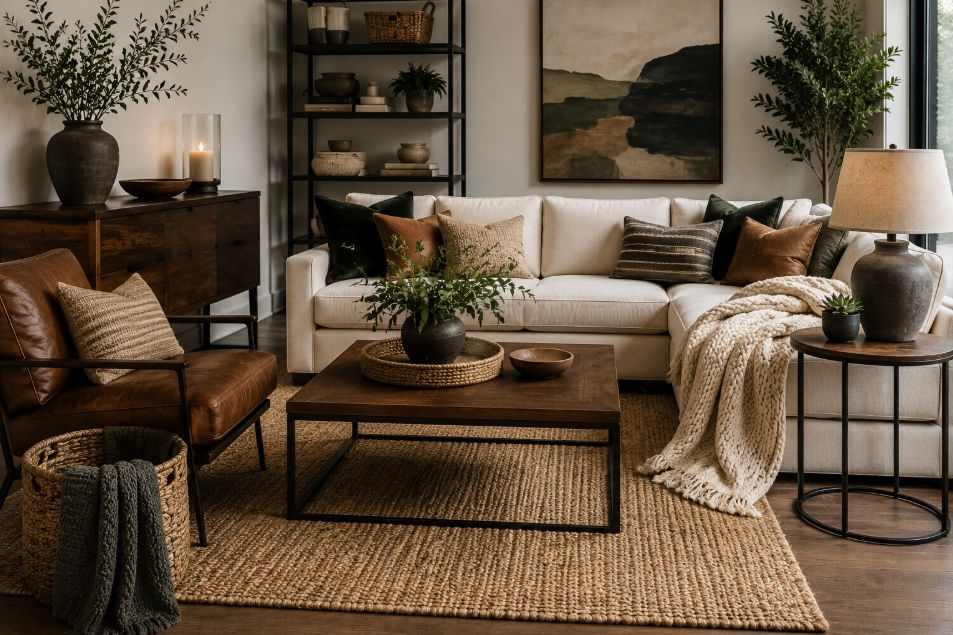
Examples include:
Wood and metal
Velvet and glass
Linen and stone
Leather and natural fiber
These combinations create depth while maintaining a clean overall look.
Tip 4: Leave Enough Open Space
One of the most common furniture styling mistakes is trying to fit too much into a room.
Open space improves movement and prevents interiors from feeling cramped.
Suggested spacing guidelines:
14–18 inches between sofa and coffee table
30–36 inches for walkways
24 inches around beds
36 inches behind dining chairs
Room Performance Comparison
Room Layout Performance
Balanced Layout ████████████████████ 95%
Minimal Layout ██████████████████ 90%
Crowded Layout ████████████ 62%
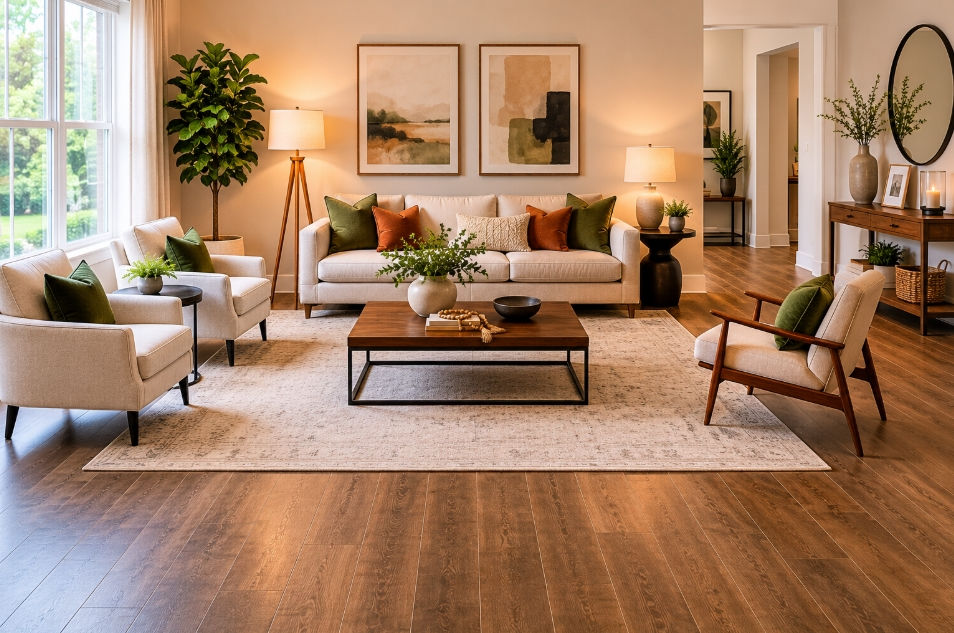
Rooms with balanced furniture placement consistently provide the best combination of comfort and visual appeal. Open areas also help highlight key furniture pieces rather than hiding them among unnecessary items.
Tip 5: Add Custom Interior Design & Furnishing Elements
Personalized furniture solutions continue gaining popularity throughout the United States.
Custom interior design & furnishing allows homeowners to create spaces that fit their specific needs rather than adapting to standard furniture dimensions.
Popular custom solutions include:
Built-in storage units
Custom shelving
Window seating
Tailored entertainment centers
Multi-purpose home office furniture
Benefits include:
Better use of available space
Custom furniture maximizes awkward corners, alcoves, and compact rooms.
Improved functionality
Pieces are designed around daily habits and lifestyle needs.
Unique appearance
Custom furnishings help create a distinctive interior that reflects personal style. As more homeowners prioritize functionality, custom furniture continues to influence modern furnishing trends.

Furniture Styling Trends Popular in American Homes
Several design preferences are shaping today's interiors.
Curved Furniture
Rounded edges help soften rooms and create smoother visual flow.
Warm Neutral Colors
Popular shades include:
Beige
Taupe
Sand
Soft brown
Warm gray
Multi-Functional Furniture
Homeowners increasingly prefer furniture that serves more than one purpose, especially in smaller homes.
Sustainable Materials
Furniture made from reclaimed wood and eco-friendly materials continues to attract buyers seeking long-term value.
These trends support both practicality and style.
Expert Insight
Many professional designers agree that homeowners often spend money on new furniture when the real issue is furniture placement.
Rearranging furniture, improving spacing, and creating stronger visual balance can often deliver greater results than purchasing additional pieces.
A well-styled room doesn't require more furniture. It requires smarter furniture decisions.
Furniture Styling Mistakes to Avoid
Ignoring Room Flow
Furniture should support movement rather than create obstacles.
Matching Every Piece
Perfect furniture sets can make a room feel less personal.
Blocking Natural Light
Avoid placing large furniture directly in front of windows whenever possible.
Overdecorating
Too many accessories distract from quality furniture pieces.
Choosing Style Over Function
Furniture should support daily living while maintaining visual appeal.
Avoiding these mistakes helps create a timeless and comfortable environment.
Conclusion
Furniture styling is one of the most effective ways to improve a room without major remodeling. By creating a focal point, choosing properly scaled furniture, layering textures, maintaining open space, and incorporating custom interior design & furnishing solutions, homeowners can dramatically improve both aesthetics and functionality. The most inviting rooms are not necessarily the most expensive. They are thoughtfully arranged, comfortable to use, and designed with purpose. Small furniture styling adjustments can produce noticeable results and help any room feel refreshed.
Frequently Asked Questions:
What is furniture styling?
Furniture styling refers to arranging furniture, décor, colors, and accessories in a way that improves both appearance and functionality. It focuses on creating balance, comfort, and visual harmony within a room while supporting everyday use and personal design preferences.
How can I make my living room look professionally designed?
Start with a focal point, choose furniture that fits the room size, layer textures, maintain open walkways, and avoid overcrowding. Small adjustments in furniture placement often create a more polished and professionally styled appearance.
What furniture trend is most popular right now?
Curved furniture, warm neutral colors, sustainable materials, and multi-functional pieces remain among the most popular furnishing trends in the USA. These styles combine practicality with modern aesthetics and work well in various home layouts.
Is custom furniture worth the investment?
Custom furniture can be worthwhile because it maximizes available space, improves functionality, and creates a unique design. Many homeowners choose custom interior design & furnishing solutions to achieve better long-term value and personalized results.
How often should furniture styling be updated?
Furniture styling can be refreshed seasonally through small changes such as rearranging furniture, updating textiles, or adding new accessories. Major furniture updates are usually only needed every few years depending on lifestyle changes and design preferences.


