


Small Bathroom? 10 Space-Saving Design Hacks to Try

A small bathroom can feel cramped, cluttered, and difficult to organize. Limited floor space often creates challenges with storage, movement, and overall comfort. The good news is that a compact bathroom does not need to feel small. The right design choices can improve functionality, create visual openness, and add valuable storage without expanding the room's footprint. Many homeowners across the USA are choosing smart Small Bathroom Design strategies that combine practicality with modern style.
This guide shares ten proven space-saving ideas used by professional bathroom interior designer teams to help compact bathrooms feel larger, brighter, and more organized.
Why Smart Design Matters in Small Bathrooms
Space limitations can quickly affect daily routines. Poor layouts, oversized fixtures, and insufficient storage create unnecessary frustration.
Effective Small Bathroom interior design focuses on:
Maximizing every square foot
Improving storage capacity
Enhancing movement within the room
Creating visual openness
Increasing home value
Even minor changes can produce significant improvements.
Common Challenges in Small Bathrooms
Challenge | Impact |
Limited storage | Countertops become cluttered |
Large fixtures | Reduced walking space |
Poor lighting | Room feels smaller |
Inefficient layout | Difficult movement |
Excess accessories | Visual overcrowding |
1. Install a Floating Vanity
Traditional vanities occupy valuable floor space and can make a bathroom feel heavier than it is.
Floating vanities are mounted to the wall, leaving open space beneath them. This simple design trick creates the illusion of a larger room while maintaining storage.

Benefits include:
Increased visual space
Easier floor cleaning
Modern appearance
Better lighting flow
Many Small Bathroom interior design Ideas incorporate floating vanities because they instantly make compact spaces feel more open.
Recommended Vanity Widths
Bathroom Size | Vanity Width |
Very Small | 18"–24" |
Small | 24"–30" |
Medium Compact | 30"–36" |
2. Use Large Mirrors to Expand Visual Space
Mirrors are among the most effective tools in Small Bathroom Design. A large mirror reflects both natural and artificial light, making walls appear farther apart. In many cases, a mirror spanning the width of the vanity can dramatically change the perception of space.
A professional bathroom interior designer often recommends:
Frameless mirrors
Wall-to-wall mirrors
Backlit mirrors
Recessed mirrored cabinets
These options improve both function and aesthetics.
3. Choose a Walk-In Glass Shower
Bulky shower enclosures visually divide a room and make it appear smaller.
A frameless glass shower creates an uninterrupted sightline throughout the bathroom. Since the eye can see the entire room, the space feels significantly larger.

Popular options include:
Frameless glass panels
Curbless showers
Single-panel walk-in designs
Minimal hardware systems
This remains one of the most requested Small Bathroom interior design Ideas in modern home renovations.
Why Glass Works Better
Instead of blocking visual flow, transparent glass allows natural light to travel throughout the bathroom, reducing visual barriers.
4. Add Vertical Storage Solutions
Most homeowners focus only on floor-level storage and overlook wall space. Vertical storage helps maximize every inch without consuming valuable floor area.
Consider installing:
Floating shelves
Tall linen cabinets
Recessed wall niches
Over-toilet shelving
Wall-mounted baskets
Smart Vertical Storage Locations
Above the Toilet
Unused wall space above toilets offers excellent storage opportunities.
Beside the Vanity
Narrow shelving units can hold toiletries and towels without affecting movement.
Inside Shower Walls
Built-in niches eliminate the need for bulky shower caddies.
5. Replace Swing Doors with Sliding Doors
Traditional doors require clearance space for opening and closing. A pocket door or sliding barn-style door eliminates this issue completely.
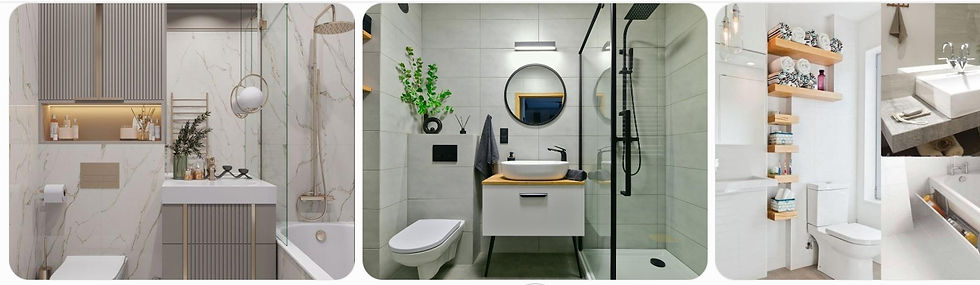
Benefits include:
Additional usable floor space
Improved traffic flow
Cleaner layout
Modern aesthetic
Many Small Bathroom Design projects gain several extra square feet simply by changing the door system.
6. Select Light Colors and Reflective Finishes
Color plays a major role in perceived room size. Light shades reflect more light, helping bathrooms feel larger and brighter.
Popular color choices include:
Soft white
Light gray
Warm beige
Pale blue
Cream tones
Reflective materials further enhance spaciousness:
Glossy tiles
Glass accents
Polished fixtures
High-gloss cabinetry
Color Impact Chart
Design Element | Perceived Space Increase |
Large mirror | 20%–30% |
Light wall colors | 15%–25% |
Glass shower | 20%–35% |
Floating vanity | 10%–20% |
Better lighting | 15%–30% |
7. Incorporate Recessed Storage
Storage that protrudes into the room consumes valuable space. Recessed storage solutions are built inside walls, maintaining a sleek appearance while increasing functionality.

Popular options:
Recessed medicine cabinets
Shower niches
Built-in shelving
Wall cubbies
Space Savings Comparison
Storage Type | Space Efficiency |
Freestanding Cabinet | Moderate |
Wall Shelf | High |
Recessed Niche | Very High |
Built-In Cabinet | Excellent |
Recessed features are frequently recommended by experienced bathroom interior designer professionals because they blend seamlessly into the architecture.
8. Upgrade Your Lighting Strategy
Poor lighting makes small bathrooms feel closed in. Layered lighting creates depth and visual openness.
A balanced lighting plan includes:
Ambient Lighting
Provides overall room illumination.
Task Lighting
Installed around mirrors for grooming and makeup application.
Accent Lighting
Adds visual interest and depth.
LED technology works particularly well due to:
Lower energy consumption
Bright illumination
Longer lifespan
Compact fixture designs
Insight
Research from residential remodeling professionals consistently shows that lighting upgrades often deliver one of the highest visual impacts per dollar spent in bathroom renovations. A well-lit small bathroom can feel dramatically larger without changing a single wall or fixture.
9. Minimize Visual Clutter
Clutter quickly makes compact bathrooms feel crowded. A cleaner appearance creates the illusion of more space.
Simple decluttering strategies include:
Keeping countertops clear
Using drawer organizers
Installing hidden storage
Limiting decorative items
Consolidating products
The One-In, One-Out Rule
For every new bathroom item added, remove an older item. This prevents accumulation and helps maintain organization over time.
10. Use Multi-Functional Fixtures
Every fixture should serve multiple purposes whenever possible.

Examples include:
Vanity mirrors with storage
Toilets with integrated shelving
Towel bars attached to vanities
Shower benches with storage
Medicine cabinets with mirrors
These solutions maximize functionality without increasing the room's footprint.
Multi-Function Fixture Benefits
Fixture | Dual Purpose |
Medicine Cabinet Mirror | Reflection + Storage |
Vanity Drawer Organizer | Storage + Organization |
Shower Niche | Storage + Design Feature |
Floating Vanity | Storage + Visual Space |
Storage Bench | Seating + Storage |
Mistakes That Make Small Bathrooms Feel Smaller
Even expensive renovations can fail if common design mistakes are ignored.
Avoid:
Oversized Vanities
Large vanities overwhelm compact spaces.
Dark Color Schemes
Dark walls absorb light and reduce openness.
Excessive Decor
Too many accessories create visual clutter.
Poor Lighting Placement
Shadows make rooms feel confined.
Bulky Shower Curtains
Heavy curtains visually divide the room.
Avoiding these mistakes is just as important as implementing space-saving upgrades.
Creating a Professional Small Bathroom Design Plan
A successful remodel starts with thoughtful planning. Professional bathroom interior designer teams typically focus on:
Accurate room measurements
Storage requirements
Fixture sizing
Traffic flow
Lighting design
Material selection
Long-term functionality
The goal is not simply fitting everything into the room. The goal is creating a space that feels comfortable, efficient, and visually balanced. A carefully planned Small Bathroom interior design project often delivers results that rival much larger bathrooms in both style and usability.
Final Thoughts
Small bathrooms present unique design challenges, but they also offer opportunities for creative solutions. Strategic upgrades such as floating vanities, glass showers, recessed storage, vertical shelving, improved lighting, and multi-functional fixtures can dramatically improve functionality while making the room feel larger. The most successful Small Bathroom Design projects focus on maximizing every inch without sacrificing comfort or style. Whether planning a complete remodel or making a few targeted updates, these ten space-saving hacks can transform even the smallest bathroom into a practical and attractive space.
FAQs
What is the best layout for a small bathroom?
The best layout keeps fixtures aligned along one wall whenever possible. This improves traffic flow, simplifies plumbing, and maximizes usable floor space. Floating vanities, wall-mounted toilets, and walk-in showers also help create a more efficient arrangement that feels larger and more comfortable.
How can I make a small bathroom look bigger without remodeling?
Large mirrors, lighter wall colors, improved lighting, and decluttering can make a bathroom feel noticeably larger. Replacing heavy shower curtains with clear glass panels and adding vertical storage can also improve visual openness without requiring major construction or renovation work.
Are floating vanities worth it in small bathrooms?
Yes. Floating vanities create visible floor space underneath the cabinet, making the room feel larger. They also improve cleaning access and provide a modern appearance. Many bathroom interior designer professionals recommend them as one of the most effective upgrades for compact bathrooms.
What colors work best in a small bathroom?
White, soft gray, beige, pale blue, and cream are among the most effective choices. These colors reflect light and help walls appear farther apart. Combining light colors with reflective finishes can significantly enhance the feeling of openness and brightness.
Should I hire a bathroom interior designer for a small bathroom remodel?
Hiring a bathroom interior designer can be beneficial, especially in tight spaces where every inch matters. Professional designers can optimize layouts, improve storage solutions, select appropriately sized fixtures, and avoid costly mistakes that may reduce functionality or visual appeal.


