


Open vs. Closed Kitchen Layouts: Pros, Cons & Best Uses

Modern homes continue to change, and so do kitchen preferences. Some homeowners prefer wide-open cooking spaces connected to living areas, while others want privacy, less noise, and a dedicated cooking room. Choosing between open and closed kitchen layouts depends on lifestyle, home size, cooking habits, and family needs. Both styles offer practical benefits. Open kitchen layouts create social interaction and improve visual space. Closed kitchen layouts help reduce cooking odors, hide clutter, and improve privacy. Understanding the strengths and limitations of each option helps homeowners create a kitchen layouts plan that works for daily life.
This guide compares open and closed kitchen layouts, including benefits, drawbacks, costs, storage, maintenance, and ideal uses for American homes.
What Is an Open Kitchen Layout?
An open kitchen layout connects the kitchen to nearby spaces like the dining room or living room without full walls separating them. This style became highly popular in modern American homes because it supports social interaction and flexible living.

Open kitchen layouts often include:
Kitchen islands
Bar seating
Combined dining spaces
Shared lighting concepts
Continuous flooring
This kitchen layouts design creates a larger visual appearance and allows easier communication during cooking or entertaining.
What Is a Closed Kitchen Layout?
Closed kitchen layouts separate the kitchen from the rest of the home using walls and doors. Traditional homes commonly used this style to keep cooking activities private and contained.
Closed kitchen layouts usually feature:
Dedicated cooking rooms
More wall storage
Better appliance organization
Controlled cooking noise
Increased privacy
Many homeowners still prefer closed kitchens because they create cleaner visual separation between cooking and living areas.
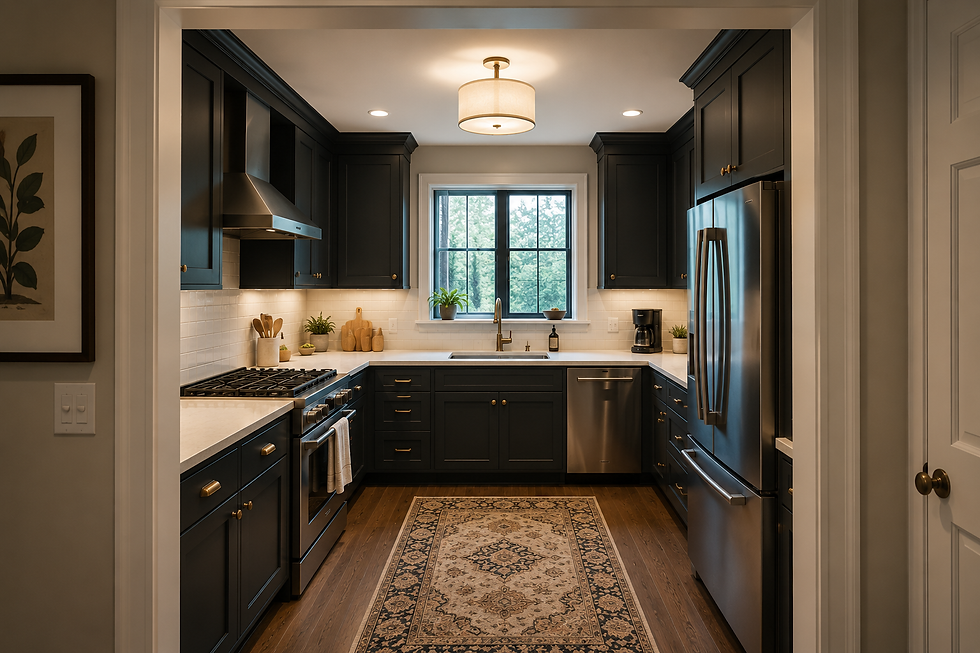
Open vs. Closed Kitchen Layout Comparison
Feature | Open Kitchen Layouts | Closed Kitchen Layouts |
Space Appearance | Larger and brighter | More compact |
Social Interaction | Excellent | Limited |
Cooking Odors | Spread easily | Better contained |
Privacy | Low | High |
Storage Space | Moderate | Higher wall storage |
Noise Control | Poor | Better |
Natural Light | Improved flow | Restricted in some homes |
Cleaning Visibility | Visible clutter | Hidden mess |
Entertaining | Excellent | Less convenient |
Remodeling Cost | Often higher | Usually moderate |
Pros of Open Kitchen Layouts
Better Social Interaction
One major reason homeowners choose open kitchen layouts is communication. Family members can talk while cooking, dining, or relaxing in connected spaces.
Parents can also supervise children more easily while preparing meals.
Improved Natural Light
Without dividing walls, sunlight travels more freely through the home. Open layouts often feel brighter and more inviting.
This benefit becomes especially useful in smaller homes or apartments where natural lighting is limited.
Modern Appearance
Open kitchen layouts design matches modern interior trends across the USA. Many buyers associate open spaces with luxury, comfort, and flexibility.
Homes with open layouts may also attract stronger resale interest in competitive housing markets.
Better for Entertaining
Guests can interact with hosts during cooking or meal preparation. Kitchen islands and bar seating help create a social atmosphere during gatherings.
Cons of Open Kitchen Layouts
Cooking Odors Spread Faster
Without walls, food smells move throughout the house. Strong cooking odors may remain longer in furniture, curtains, and carpets.
Good ventilation becomes essential in open kitchen layouts.
Visible Clutter
Dirty dishes, cooking mess, and countertop clutter remain visible from nearby rooms. Homeowners often need to clean more frequently to maintain a tidy appearance.
Limited Privacy
Cooking activities become visible to everyone in connected spaces. Some homeowners prefer more separation during meal preparation.
Reduced Wall Storage
Removing walls reduces cabinet installation space. Storage planning becomes more important in open kitchen layouts plan projects.
Pros of Closed Kitchen Layouts
Better Privacy
Closed kitchen layouts separate cooking from entertaining or relaxation spaces. Homeowners can cook without worrying about mess visibility.
This setup works especially well for large families and frequent home cooking.

Excellent Storage Capacity
More walls allow additional cabinets, shelves, and pantry systems. Storage becomes easier compared to open designs.
Reduced Noise and Smells
Closed kitchen layouts contain appliance sounds, smoke, and cooking odors more effectively.
This benefit becomes valuable in homes where cooking happens frequently.
Traditional Design Appeal
Many classic American homes naturally support closed kitchens. Traditional interior styles often blend better with enclosed cooking spaces.
Cons of Closed Kitchen Layouts
Less Social Connection
Cooking may feel isolated from family activities or guests.
This limitation can reduce interaction during gatherings.
Smaller Visual Space
Walls can make kitchens appear tighter or darker, especially in older homes with limited lighting.
Limited Entertaining Flexibility
Guests usually remain outside the kitchen area, making hosting less interactive.
Best Uses for Open Kitchen Layouts
Home Type | Why Open Layout Works |
Small Homes | Makes rooms appear larger |
Modern Houses | Matches contemporary styles |
Apartments | Improves space efficiency |
Family Homes | Easier communication |
Entertainment-Focused Homes | Better guest interaction |
Luxury Renovations | Creates premium appearance |
Best Uses for Closed Kitchen Layouts
Home Type | Why Closed Layout Works |
Traditional Homes | Preserves architectural style |
Heavy Cooking Households | Contains odors and heat |
Multi-Generational Homes | Improves privacy |
Large Homes | Maintains room separation |
Professional Cooking Needs | Better workflow control |
Budget Remodels | Fewer structural changes |
Kitchen Remodeling Cost Differences
Open kitchen remodeling often requires structural changes such as:
Wall removal
Beam installation
Electrical relocation
Plumbing adjustments
Flooring continuity
These upgrades can increase project costs significantly. Closed kitchen remodels usually focus more on cabinet upgrades, appliance replacement, or layout optimization rather than major structural work.
Average USA Remodeling Costs
Remodel Type | Estimated Cost Range |
Open Kitchen Conversion | $25,000 – $80,000 |
Closed Kitchen Remodel | $15,000 – $50,000 |
Luxury Open Kitchen | $100,000+ |
Small Closed Kitchen Update | $10,000 – $20,000 |
Kitchen Layout Popularity Trend in USA
Kitchen Layout Preference by Homeowners
Open Kitchen Layouts     ████████████████████ 72%
Closed Kitchen Layouts   ████████ 28%
Insight: Recent housing and remodeling trends in the USA show strong demand for open kitchen layouts, especially among younger homeowners and newly built suburban properties. However, closed kitchen layouts are gaining renewed interest among homeowners who cook frequently and value privacy.
How to Choose the Right Kitchen Layout
Choose Open Kitchen Layouts If You:
Host guests often
Prefer modern interiors
Want brighter living spaces
Need better family interaction
Have a smaller home footprint
Choose Closed Kitchen Layouts If You:
Cook large meals regularly
Need additional storage
Prefer private cooking areas
Want stronger odor control
Own a traditional-style home
Hybrid Kitchen Layouts Are Growing
Some homeowners now combine both concepts using:
Sliding glass partitions
Pocket doors
Half walls
Large pass-through openings
Flexible divider systems
These hybrid kitchen layouts design options provide openness while still allowing separation when needed.

Storage Planning Tips for Both Layouts
For Open Kitchens
Use oversized islands
Add hidden storage drawers
Install ceiling-height cabinets
Choose multi-functional furniture
For Closed Kitchens
Use vertical shelving
Add pantry organizers
Install corner cabinet systems
Create appliance garages
Lighting Tips Based on Layout Type
Open Kitchen Lighting
Pendant lights over islands
Recessed ceiling lighting
Shared dining area fixtures
Under-cabinet lighting
Closed Kitchen Lighting
Task lighting above counters
Bright ceiling fixtures
Cabinet-integrated lighting
Window-focused daylight design
Resale Value Considerations
Open kitchen layouts remain highly attractive in many USA housing markets. Buyers often prefer connected spaces that feel modern and spacious. However, closed kitchen layouts can still increase property appeal in luxury homes, traditional architecture, and homes designed for serious cooking. Local market trends should influence remodeling decisions before major renovations begin.
Final Thoughts
Choosing between open and closed kitchen layouts depends on how the kitchen functions in everyday life. Open kitchens support entertaining, brighter interiors, and modern living. Closed kitchens improve privacy, storage, and cooking control. There is no universal solution. The best kitchen layouts plan balances lifestyle, cooking habits, available space, and long-term home goals. Before remodeling, homeowners should evaluate family routines, ventilation needs, storage requirements, and resale considerations carefully. A well-planned kitchen layouts design can improve comfort, functionality, and property value for years.
FAQs:
1. Which kitchen layout is best for small homes?
Open kitchen layouts usually work better for small homes because they create a larger visual appearance and improve natural light flow. Removing barriers between rooms helps maximize available square footage and creates a more connected living environment for families and guests.
2. Are closed kitchen layouts becoming outdated?
No. Closed kitchen layouts remain popular among homeowners who cook frequently, prefer privacy, or want stronger odor control. Many traditional and luxury homes still use enclosed kitchens because they support better organization and quieter cooking environments.
3. Do open kitchens increase home value?
In many USA housing markets, open kitchen layouts can improve resale appeal because buyers often prefer spacious and modern floor plans. However, the actual value increase depends on local trends, renovation quality, and overall home design.
4. Which kitchen layout is easier to maintain?
Closed kitchen layouts are often easier to maintain visually because clutter and dirty dishes remain hidden from guests and living areas. Open kitchens usually require more frequent cleaning to maintain a tidy appearance throughout connected spaces.
5. Can a kitchen have both open and closed features?
Yes. Hybrid kitchen layouts are becoming more common. Features like sliding doors, half walls, or glass dividers allow homeowners to create flexible spaces that combine openness with privacy and odor control when needed.


