


Residential Interior Design Trends in the USA 2026

Updated: Apr 22
The Big Shift: From Perfect to Personal
The biggest design change in 2026 is simple: homes are becoming more human. Instead of copying magazine-perfect interiors, homeowners are creating spaces that reflect their routines, habits, and emotional needs. That means:
Softer furniture and curved shapes
Mixed materials instead of matching sets
Rooms designed for multiple purposes
A strong focus on comfort and wellness
Design is no longer about “what looks good”—it’s about what feels right.
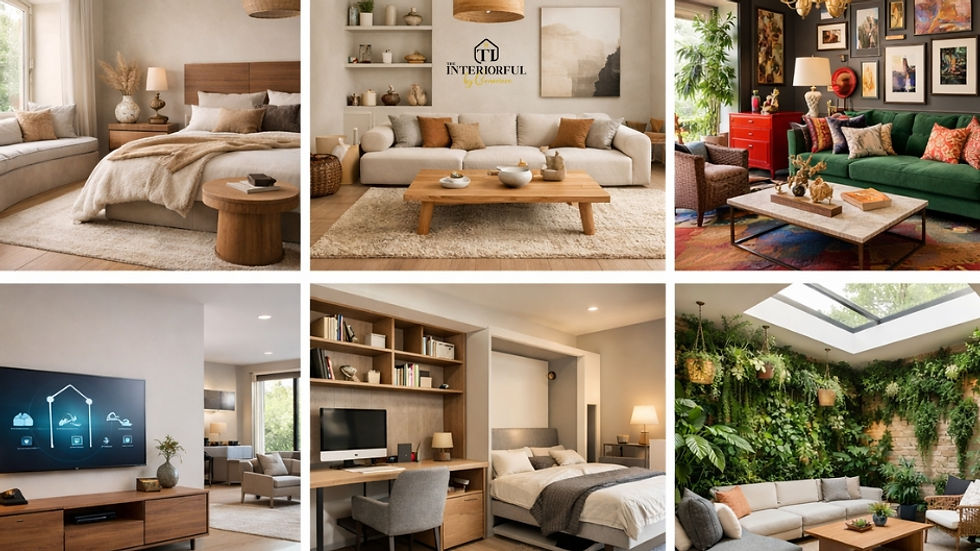
1. Comfort, Wellness & Personal Spaces
In 2026, homes are being designed as personal retreats. People want spaces where they can relax, recharge, and disconnect. That’s why wellness-focused design is becoming a core part of Residential Interior Design.
What This Looks Like:
Meditation corners or quiet rooms
Spa-inspired bathrooms
Soft lighting and natural textures
Improved air quality and ventilation
Bedrooms are cozier than ever, often layered with rugs, throws, and calming colors. Even small apartments are carving out “wellness zones.”
Why It Matters:
Modern life is busy. Your home now plays a role in helping you slow down.
2. Warm Minimalism (Not Cold Minimalism)
Minimalism isn’t gone—it’s evolving. Instead of stark white walls and empty rooms, warm minimalism brings in softness and depth.
Key Elements:
Earth tones like clay, beige, olive, and brown
Natural wood finishes
Linen, wool, and textured fabrics
Simple layouts with inviting details
This style feels clean—but not empty. It’s minimal, but still comfortable.
3. Bold Personality & Modern Maximalism
While some homes lean minimal, others are going bold. Maximalism is making a strong comeback—but in a more intentional way.
What’s Trending:
Statement wallpapers
Rich colors like burgundy, deep green, and chocolate brown
Vintage pieces mixed with modern furniture
Layered patterns (done thoughtfully)
The goal isn’t clutter—it’s storytelling. Every item has meaning.

4. Smart Homes That Don’t Look “Techy”
Technology is everywhere—but you might not see it. Modern homes are integrating smart features seamlessly into the design.
Common Features:
Voice-controlled lighting
Smart thermostats
Built-in charging stations
Hidden speakers and automation systems
The key trend: invisible tech. Function without visual clutter.
5. Multi-Functional Spaces
Homes are working harder than ever. A single room might now serve as:
Office + guest room
Living room + workspace
Dining area + study zone
Design Solutions:
Foldable desks
Modular furniture
Sliding partitions
Smart storage
This trend is driven by remote work and smaller living spaces.
6. Nature Comes Indoors (Biophilic Design)
Nature-inspired design continues to grow in popularity.
You’ll See:
Indoor plants and vertical gardens
Large windows and natural light
Stone, wood, and organic materials
Neutral, earthy color palettes
This approach doesn’t just look good—it improves mood and well-being.
Residential Interior Design Cost in the USA (2026)
Understanding costs is just as important as understanding trends. Here’s a simple breakdown of typical Residential Interior Design Cost in the USA:
📊 Interior Design Cost Table
Service Type | Average Cost (USD) |
Interior Designer (Hourly) | $100 – $200/hour |
Full Home Design | $5,000 – $25,000+ |
Single Room Design | $450 – $12,000+ |
Living Room Design | $2,500 – $5,000 |
Bedroom Design | $1,000 – $2,000 |
Kitchen Design | $500 – $10,000 |
Online Design Services | $65 – $175 per room |
What Affects the Cost?
Size of the project
Quality of materials
Designer experience
Location (cities cost more)
Custom vs ready-made furniture
📈 Trend Adoption vs Cost Impact (Chart)
Below is a simple visualization of how popular certain trends are—and how much they typically impact cost.

Reading the Chart:
More bars = more popular
More $ = higher cost impact
💡 Unique Insight: The Rise of “Emotional Design”
Here’s something not everyone talks about: Homes in 2026 are being designed around feelings, not just function. Designers are asking:
Does this room feel calming?
Does it reflect the homeowner’s personality?
Does it support daily habits?
This shift is subtle—but powerful. Instead of chasing trends, people are building homes that feel right for them. That’s why two homes following the same trend can look completely different.

Actionable Insights: Making the Trends Work for You
Prioritize Your Lifestyle Needs: Don’t chase trends for their own sake. If wellness is important, plan a recovery or spa space; if you work from home, invest in a flexible office nook. Architects and designers emphasize designing spaces
Blend Old and New: Incorporate vintage pieces or antiques to add warmth (85% of designers used vintage in projects). These unique finds can elevate a room’s character without huge expense.
Balance Budget & Impact: A statement wall or bold paint (e.g., an accent wall in mauve or emerald) can refresh a room at modest cost. Save on large-ticket items by choosing one splurge (like art or a sofa) and mixing in affordable accessories. Remember that designers can often tap trade discounts, offsetting some cost.
Ask About Sustainable Options: Many “green” materials are comparable in price to standard ones; ask your designer about recycled tile, bamboo floors, or low-VOC finishes. Investing now in energy-efficient lighting and appliances yields savings over the home’s life.
Get Clear on Fees: Before hiring a professional, clarify how they charge. Will they work hourly, per project, or via a markup? As Spruce Interior Design advises, know if your designer’s focus is structural planning (an interior designer) or purely decor (an interior decorator), as this affects cost. A full-service designer often “adds about 25%” to your project cost for their fees and markup. If cost is tight, consider simpler services (e.g., virtual design packages starting at under $100).
Stay Flexible: If materials surge in price (as has recently happened), your designer might suggest alternatives. Be open to creative swaps or phasing the work in stages. Many homeowners are choosing modular furniture and open shelving that can adapt, which can save on custom cabinetry costs while still looking fresh.
FAQs
Q1: What are the hottest interior design trends for homes in 2026?
A: In the USA, 2026 trends lean toward personal, wellness-focused spaces and richer aesthetics. Expect comfort-driven layouts with soft, tactile materials and natural light. Wellness rooms (e.g., yoga or spa areas) are on the rise. At the same time, bolder styles are back: many designers report that maximalism and eclectic décor will dominate, with 39% favoring a vibrant, layered look and 38% favoring eclectic mixes. Colorwise, earthy browns, burgundies, and greens are popular. Smart home tech is standard (automated lighting, energy monitoring), and flexible furniture (folding partitions, modular sofas) is common. In short, trendsetting homes in 2026 are personal, cozy, and multifunctional.
Q2: How much does it cost to hire an interior designer or decorate a home in the USA?
A: Costs vary widely by project size and scope. On average, U.S. interior designers charge about $100–$200 per hour, or a flat fee of ~$2,000–$12,000 for a whole-home project. From our table, expect a full-house design package to start around $5,000+. Redecorating one room may cost anywhere from $450 up to $12,000 or more, depending on complexity (the very wide range covers a simple color refresh vs. a complete rebuild and new furniture). Many homeowners allocate 10–25% of their total remodel budget to designer fees. To get a precise quote, ask designers if they bill hourly, per square foot, or by project stage, and check for any markups on furnishings.
Q3: What factors influence residential interior design costs?
A: Several key factors drive cost: the project’s size and complexity (bigger rooms and structural changes cost more), the quality of materials (luxury finishes and custom pieces cost more), and the designer’s expertise (top firms charge premium rates). External factors like material price volatility also matter: rising lumber, steel, or fabric prices and import tariffs have lately pushed budgets up. Similarly, higher labor rates (in a tight construction market) add to costs. Location is important: costs in Manhattan or San Francisco generally exceed those in smaller cities. On the plus side, thoughtful planning (grouping trades, choosing off-the-shelf solutions) can save money while still achieving a stylish result.
Q4: What’s the difference between an interior designer and an interior decorator?
A: Simply put, an interior designer can handle both aesthetics and the technical side of a space, whereas an interior decorator focuses on surface-level styling. Designers typically have formal training and may help with floor plans, architectural changes (like moving walls or wiring), and regulatory approvals. Decorators, on the other hand, come in after any structural work is done to select color schemes, furniture, and accessories. For most homeowners, either professional can improve a space, but call a designer if your project involves renovations or space reconfiguration. The two roles overlap, though; many pros do a bit of both.
Q5: How can I incorporate sustainable design on a budget?
A: Start with choices that pay off over time. Use low-VOC (non-toxic) paints and finishes for healthier air—they cost very little extra. Opt for LED lighting and Energy Star appliances to reduce utility bills. When choosing materials, consider durable or recycled options: for example, bamboo and cork floors look modern and last long. Reclaimed wood or vintage furniture adds character and often costs less than new custom pieces. Even small steps (e.g., organic cotton linens, eco-friendly insulation) align with the 2026 trend of “sustainability as standard” without breaking the bank. A good designer can help you source affordable green products.
Q6: Are smart home features a major trend for 2026?
A: Yes. Smart technology is mainstream in new home designs for 2026. But the focus is on practicality over novelty. Popular features include automated lighting and climate control (good for convenience and energy savings), smart security systems, and built-in USB/power outlets. Energy-monitoring dashboards are increasingly specified by designers to meet rising interest in efficiency. These technologies generally add to upfront costs, but they often yield long-term savings and increased home value. Importantly, designers integrate smart devices subtly so they blend with the decor (wall-mounted panels hidden behind artwork, or voice controls instead of flashy control hubs). In summary, yes – 2026 homes are smart, but in service of real daily needs.
Q7: How do I budget for an interior design project?
A: First, set a total project budget (including construction, furnishings, and designer fees). Then allocate ~10–15% of that for design services (higher if you want premium consulting). Get quotes from designers in writing: many offer tiered service packages. Discuss upfront whether they work hourly or fixed fee. Always allow a buffer (10–20%) for unexpected costs (materials might rise, or scope might expand). Use our cost table as a starting point. For example, if renovating a kitchen, you might plan ~$2,000–$12,000 for the design phase alone, plus whatever you spend on cabinetry, appliances, etc. Work closely with your designer on a detailed estimate before work begins. Lastly, remember that designers often negotiate discounts on bulk purchases – a benefit that can offset their fee. The goal is to be transparent about the budget from day one to ensure the design choices fit your means.


